
2026 Gallery Archive
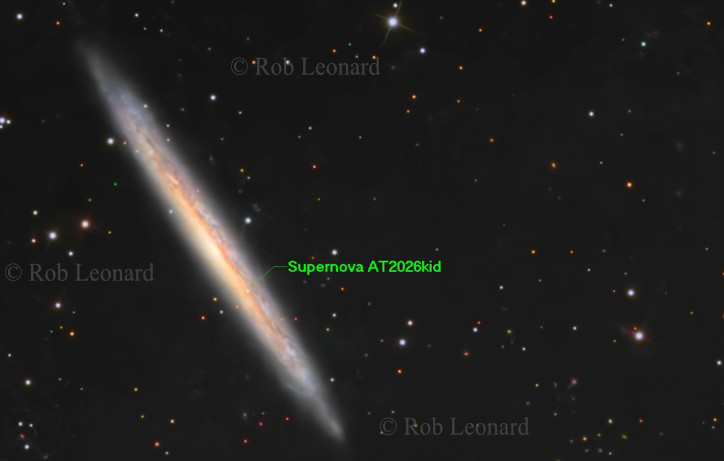
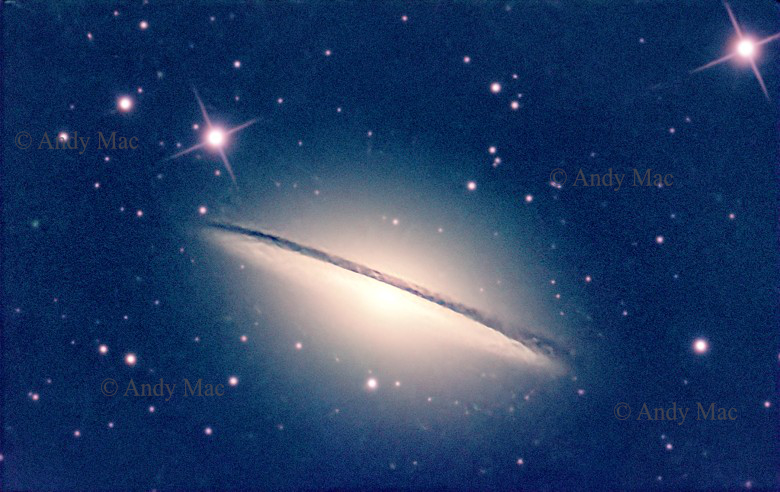
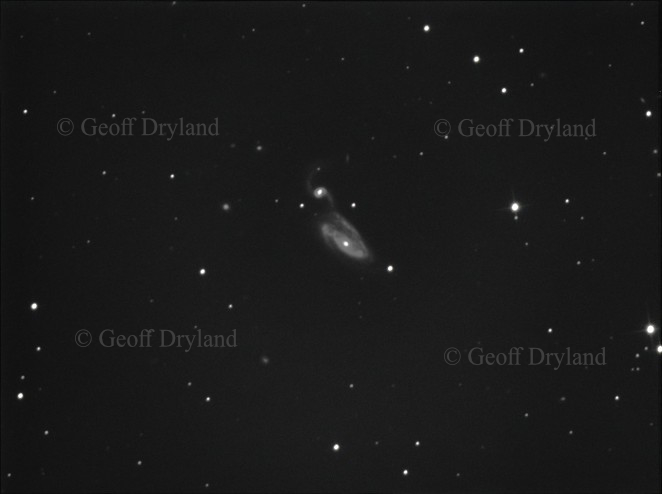
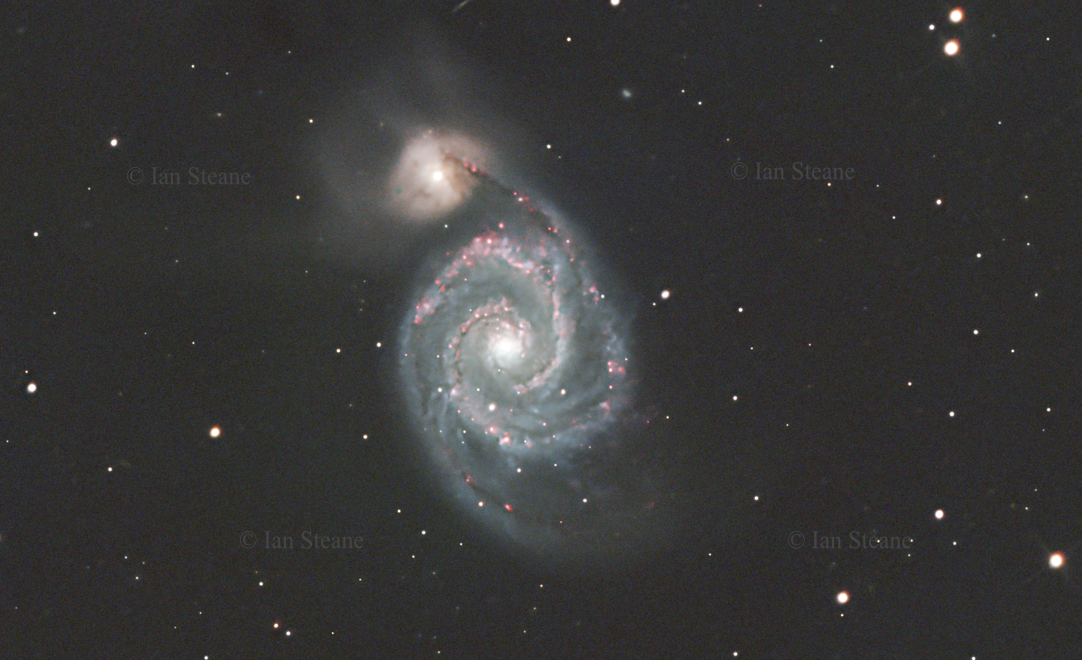
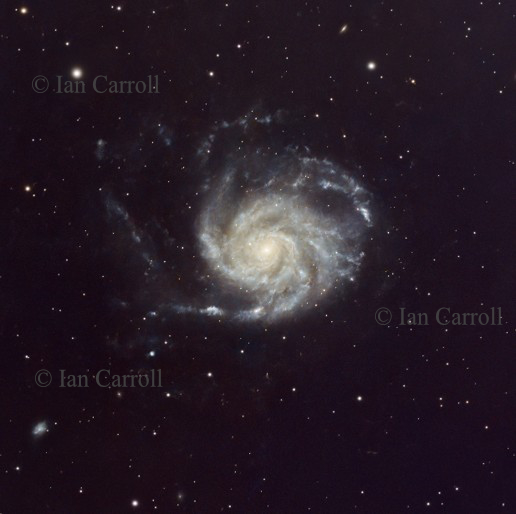
June 2026 targets were(but not limited to) : Galaxies
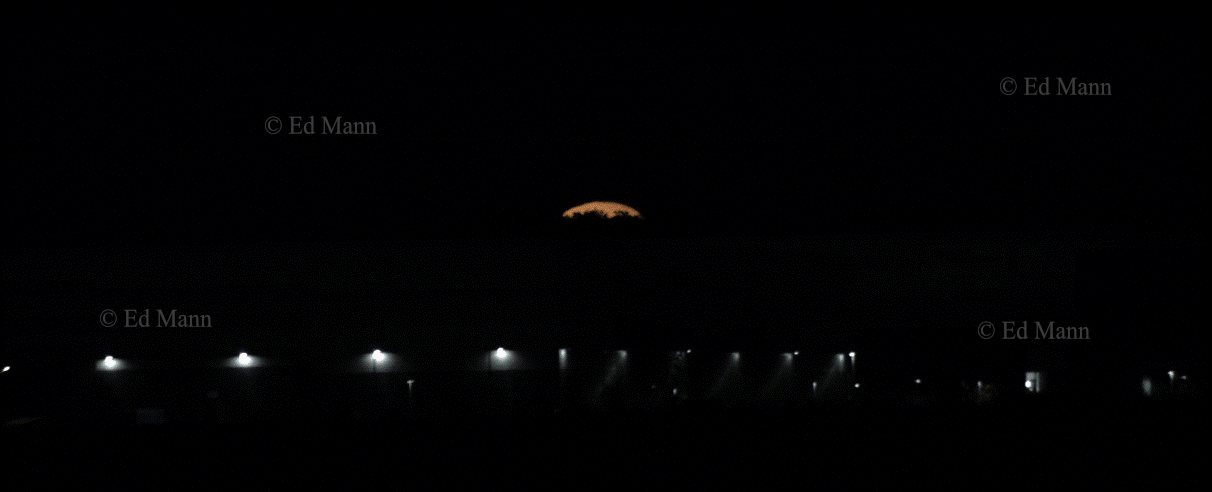
Click on an image to see a larger version (opens in a new tab).
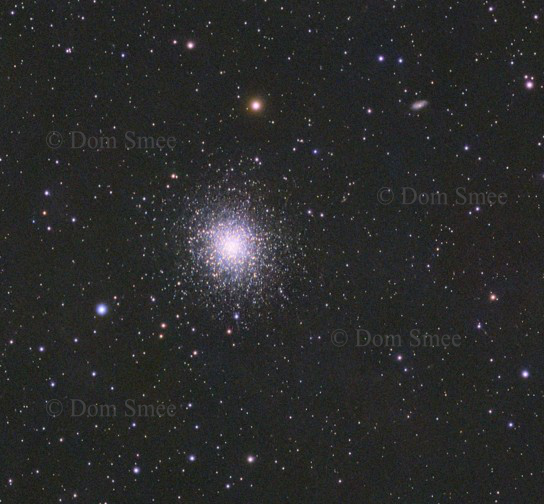
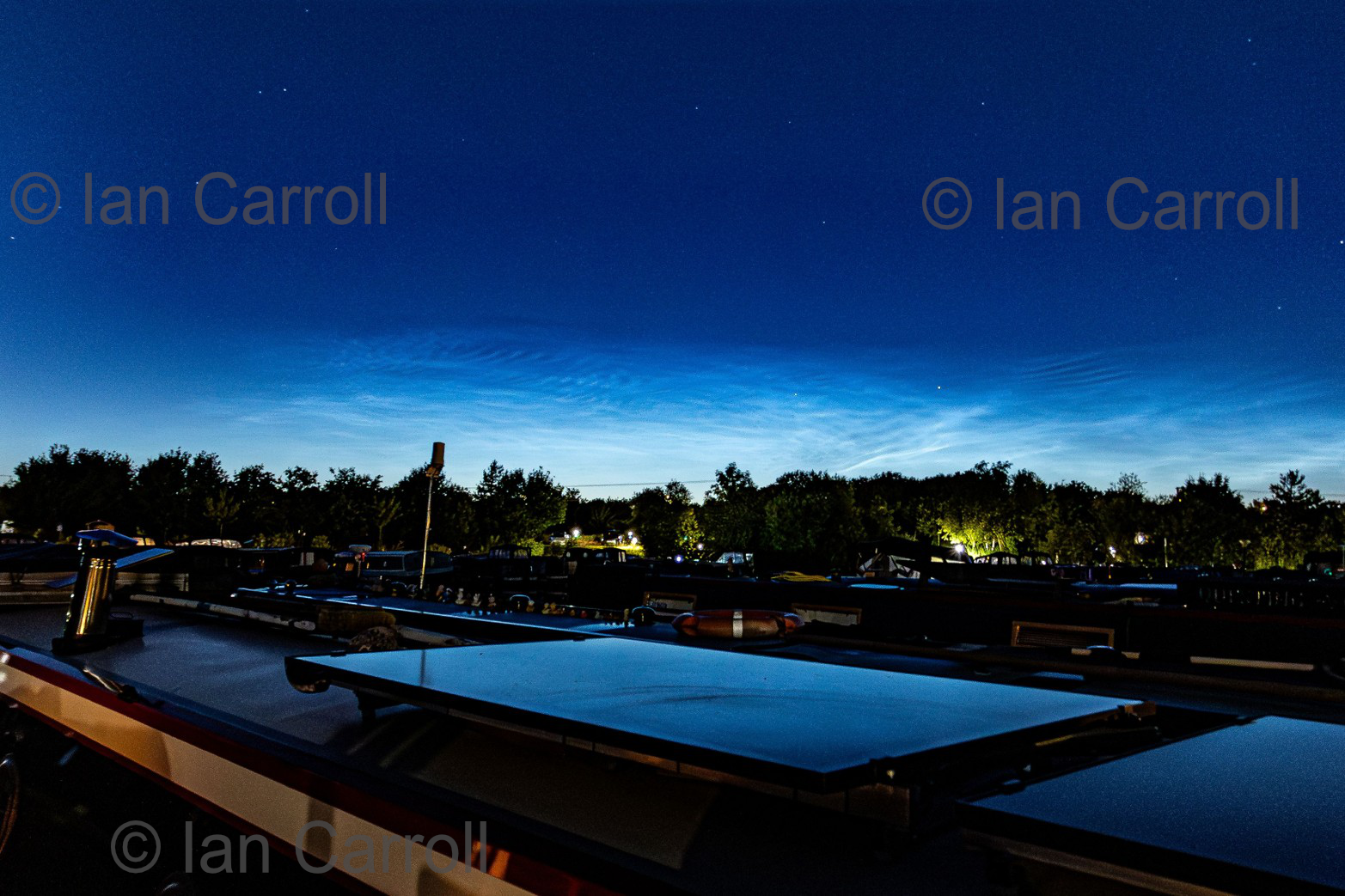
July 2026 - July's targets were (but not limited to) : Globular Clusters & Noctilucent Clouds
Click on an image to see a larger version (opens in a new tab).
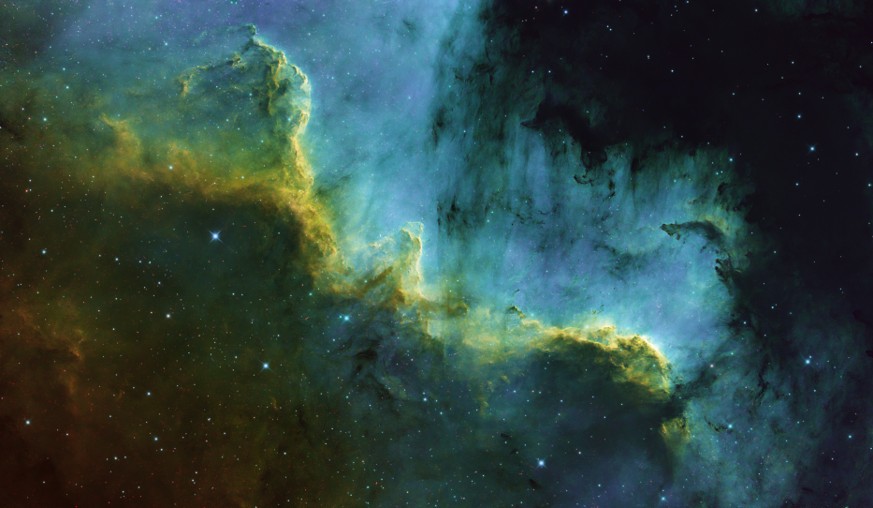
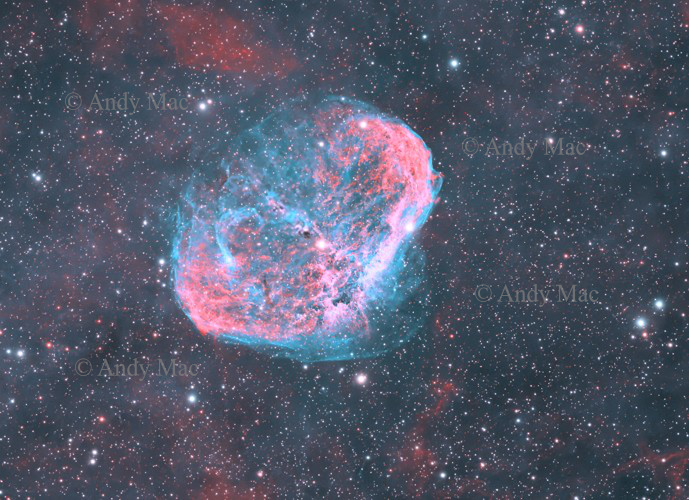
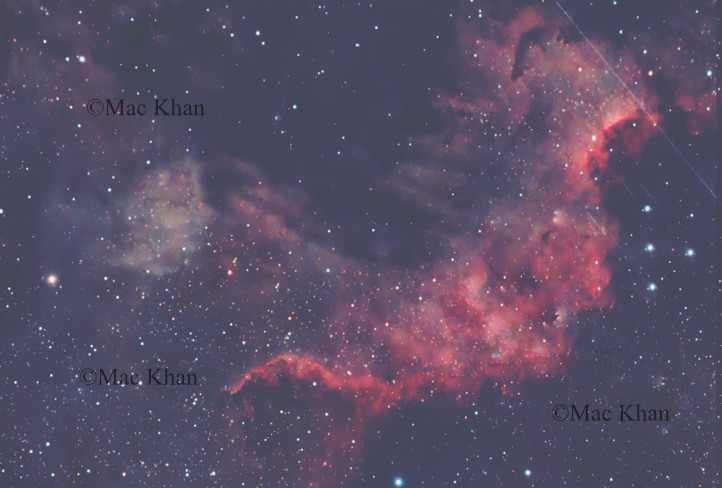
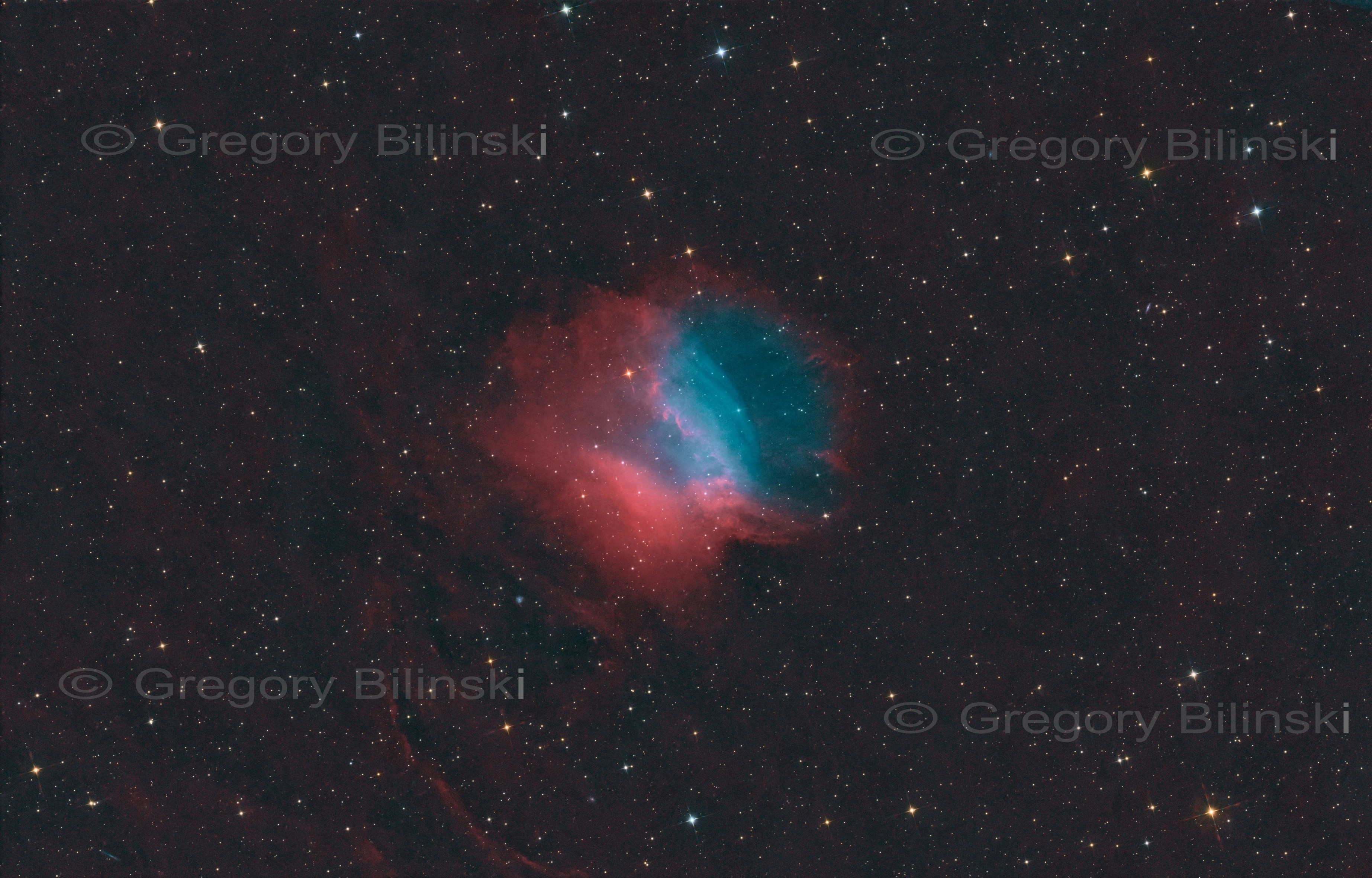
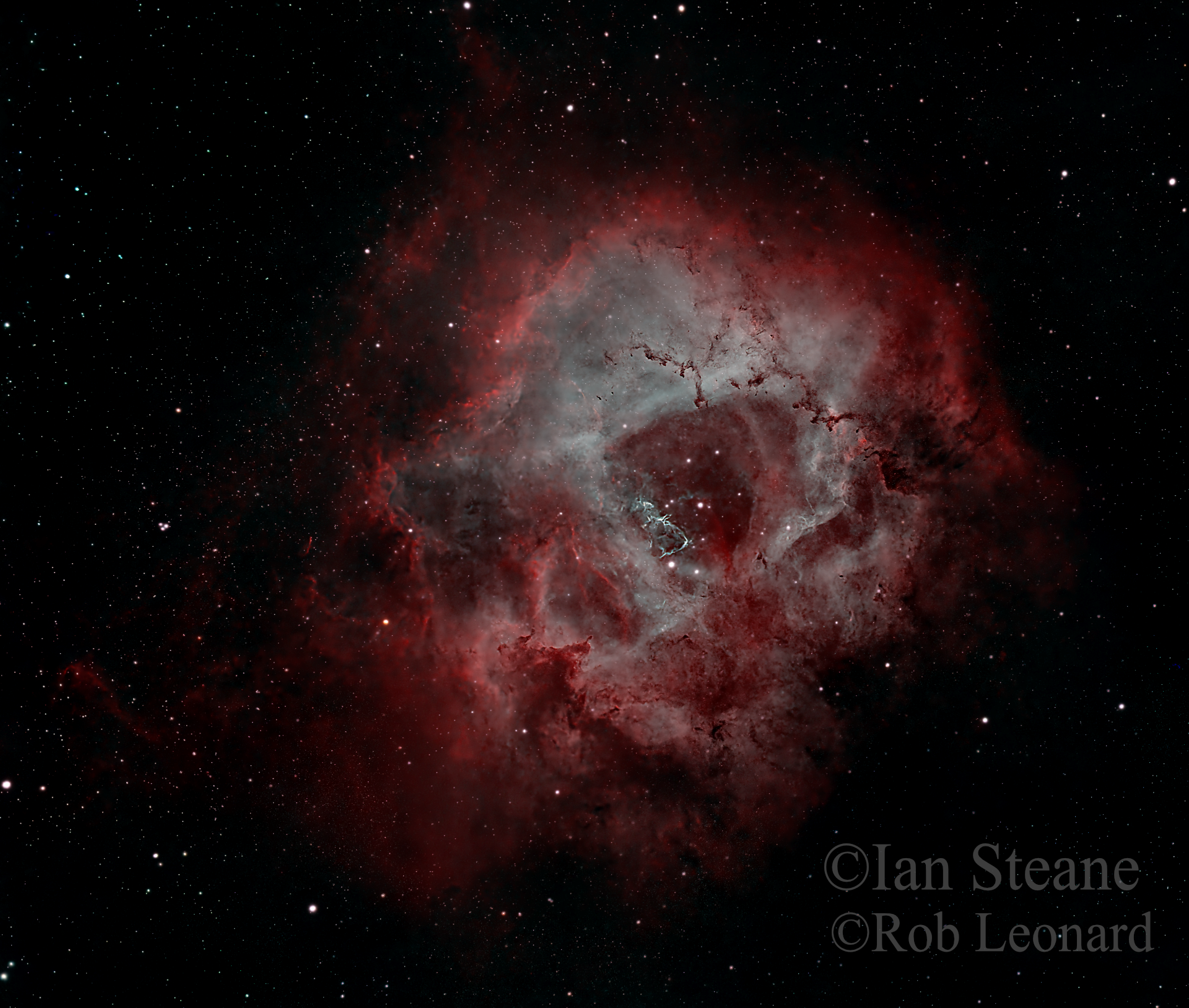
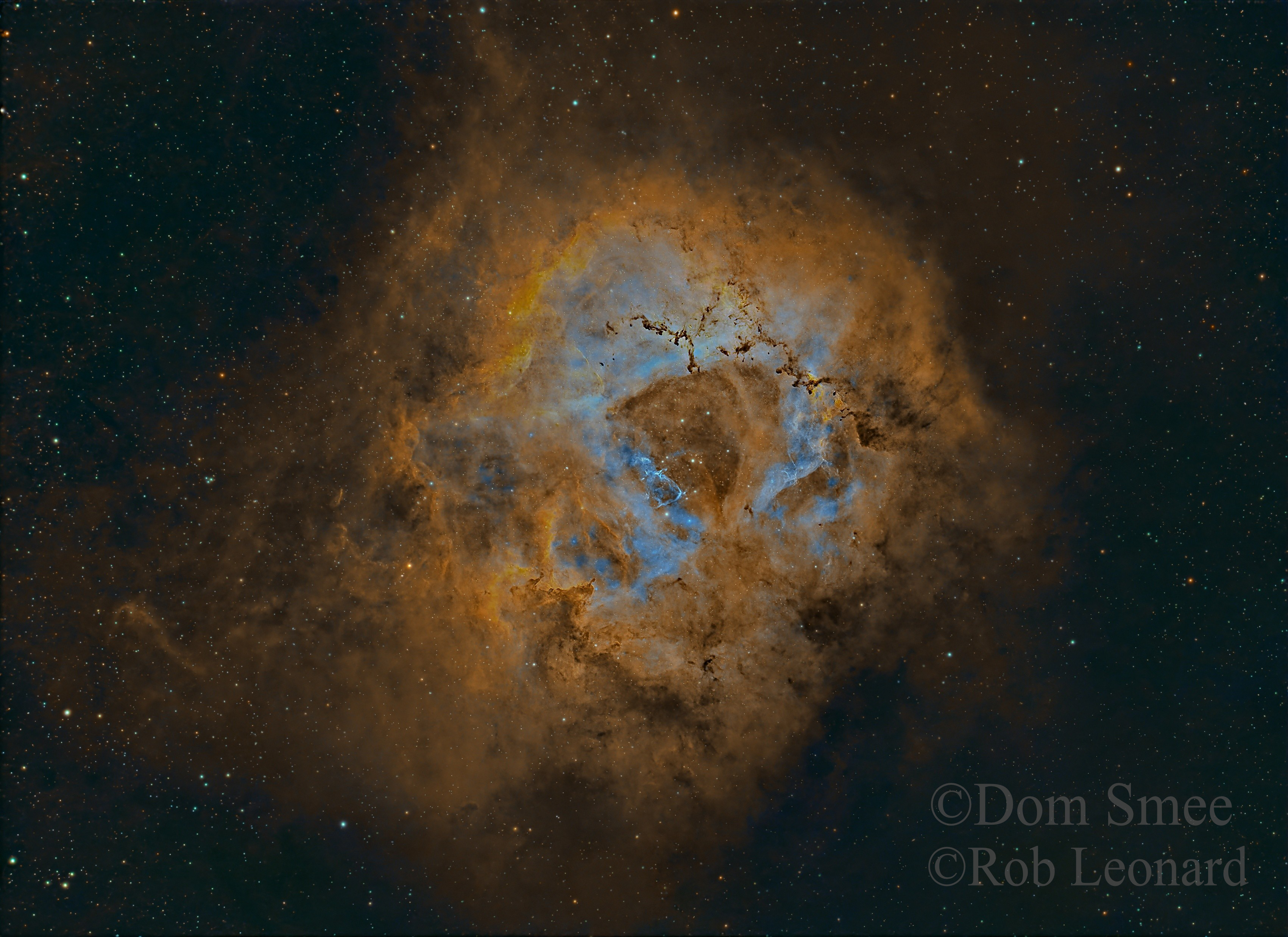
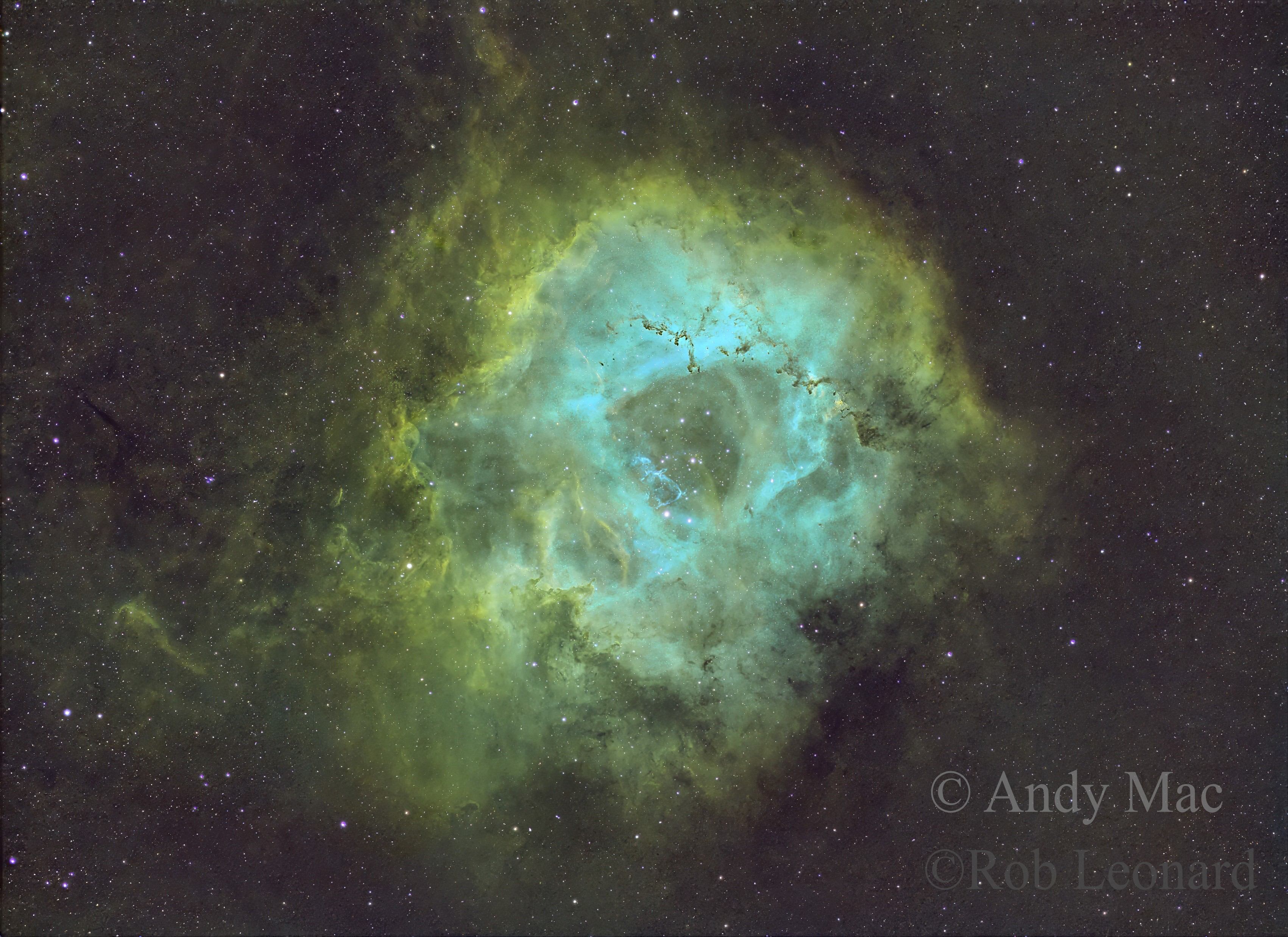
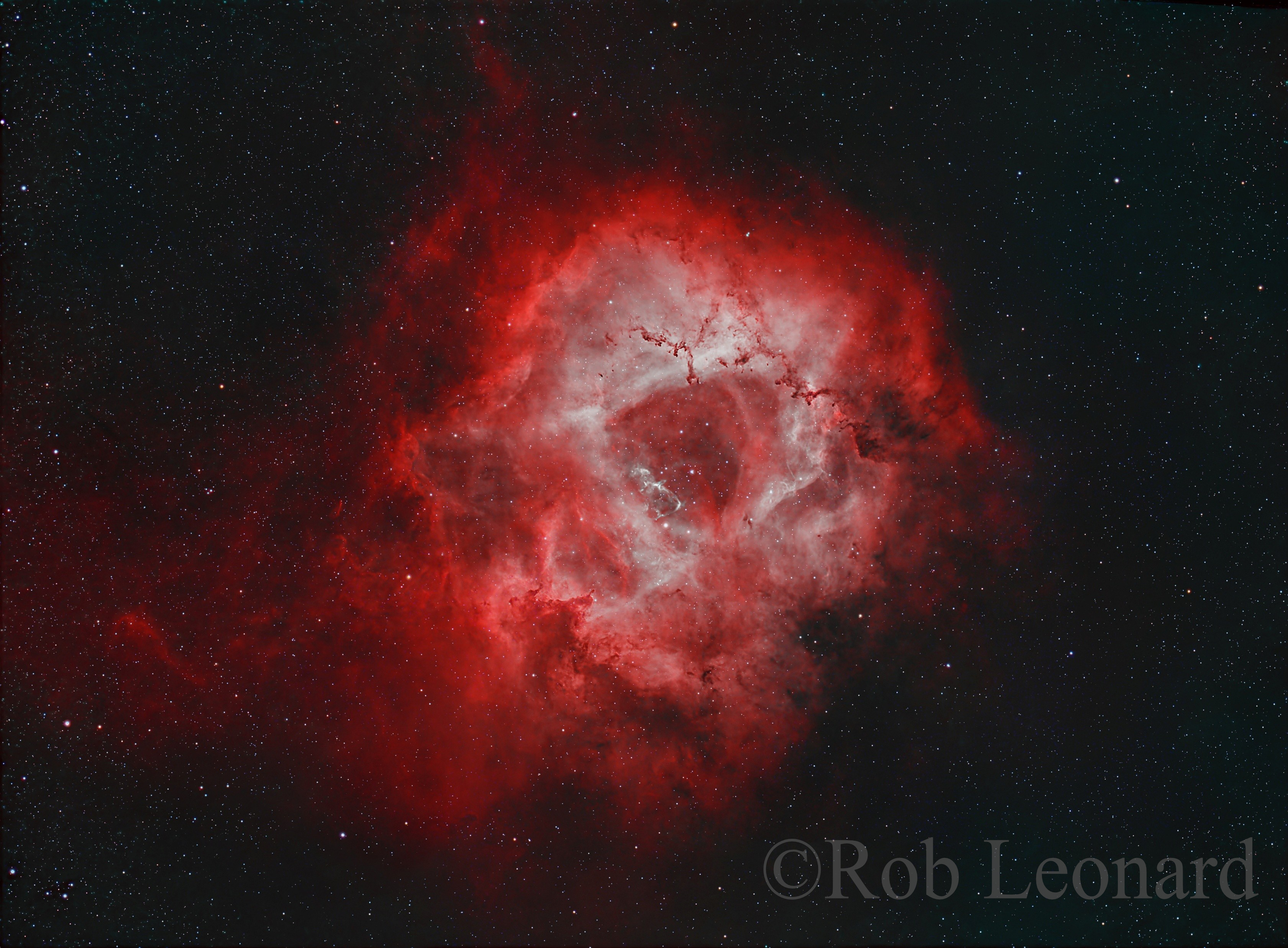
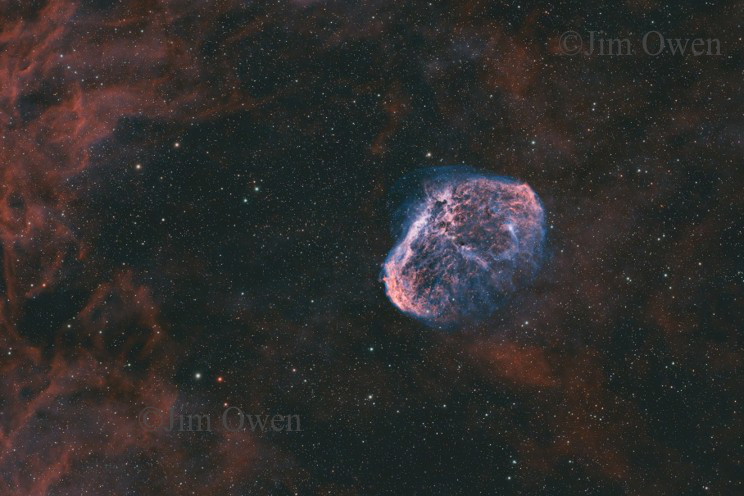
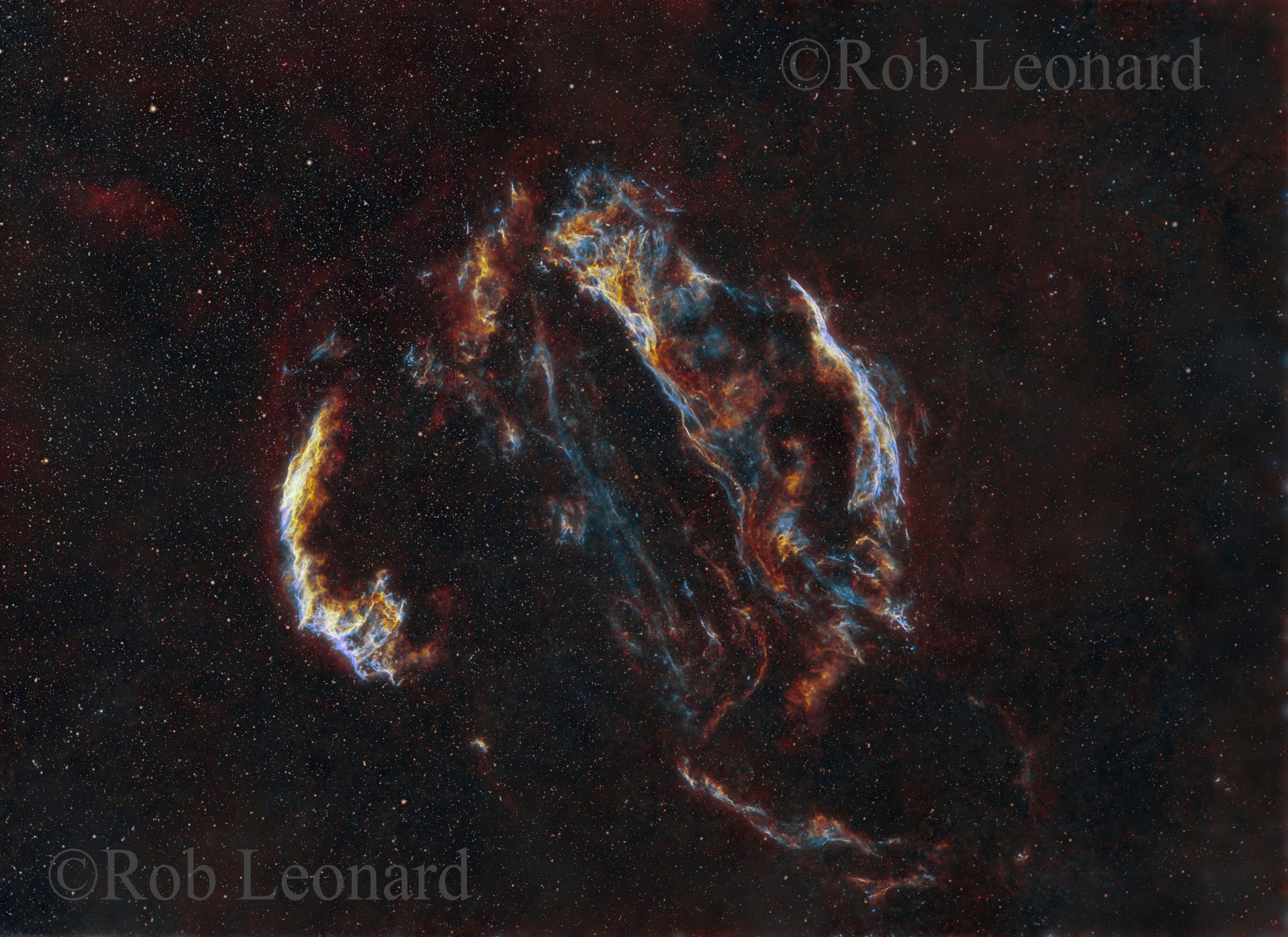
August 2026 - There will be no Astrophotography Group meeting in August. Instead, members were invited to process two sets of image data provided by Rob Leonard. The images below show how differently each member interpreted and processed the same data. There is no single right or wrong approach; the final result reflects each individual’s personal choices.
Click on an image to see a larger version (opens in a new tab).
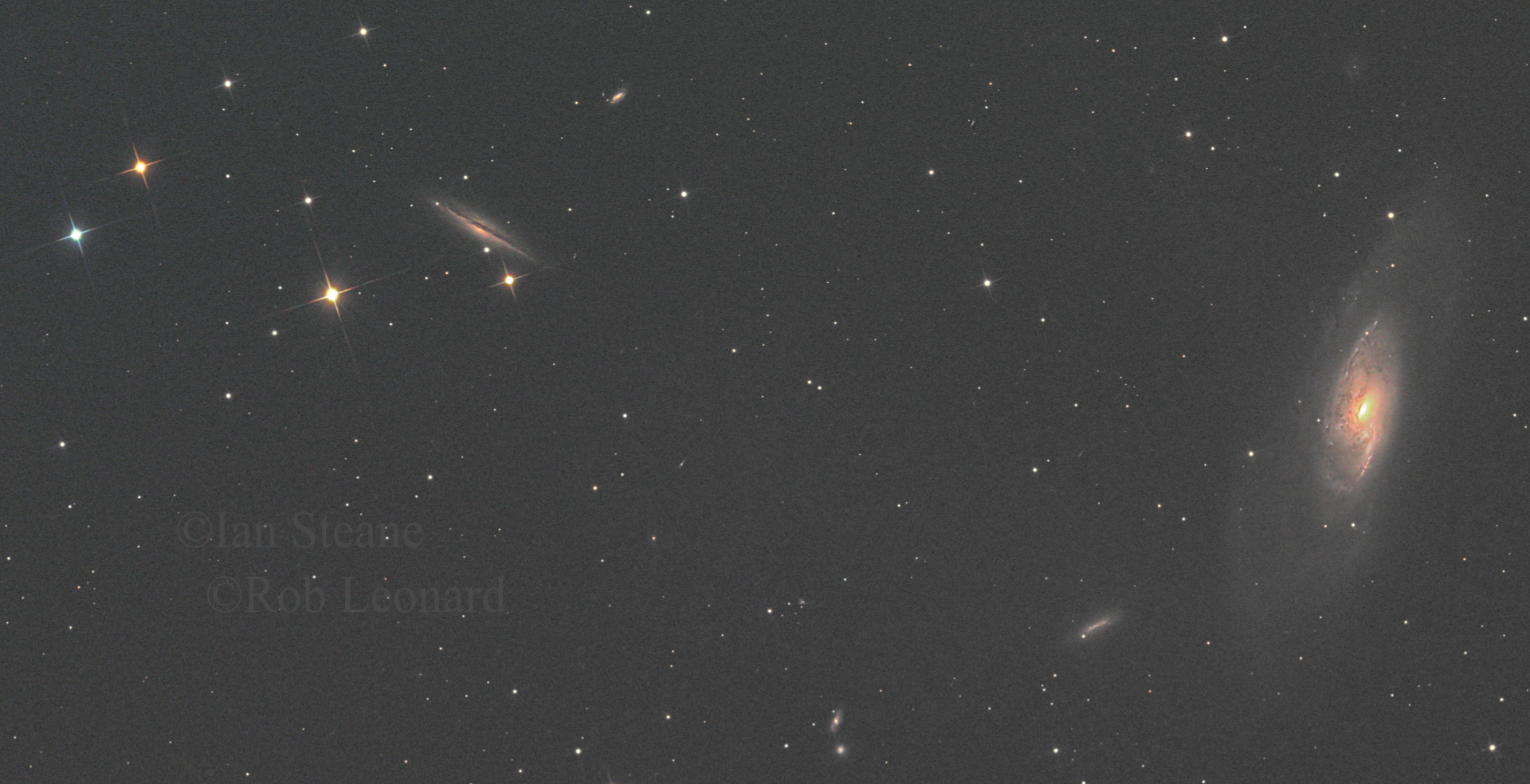
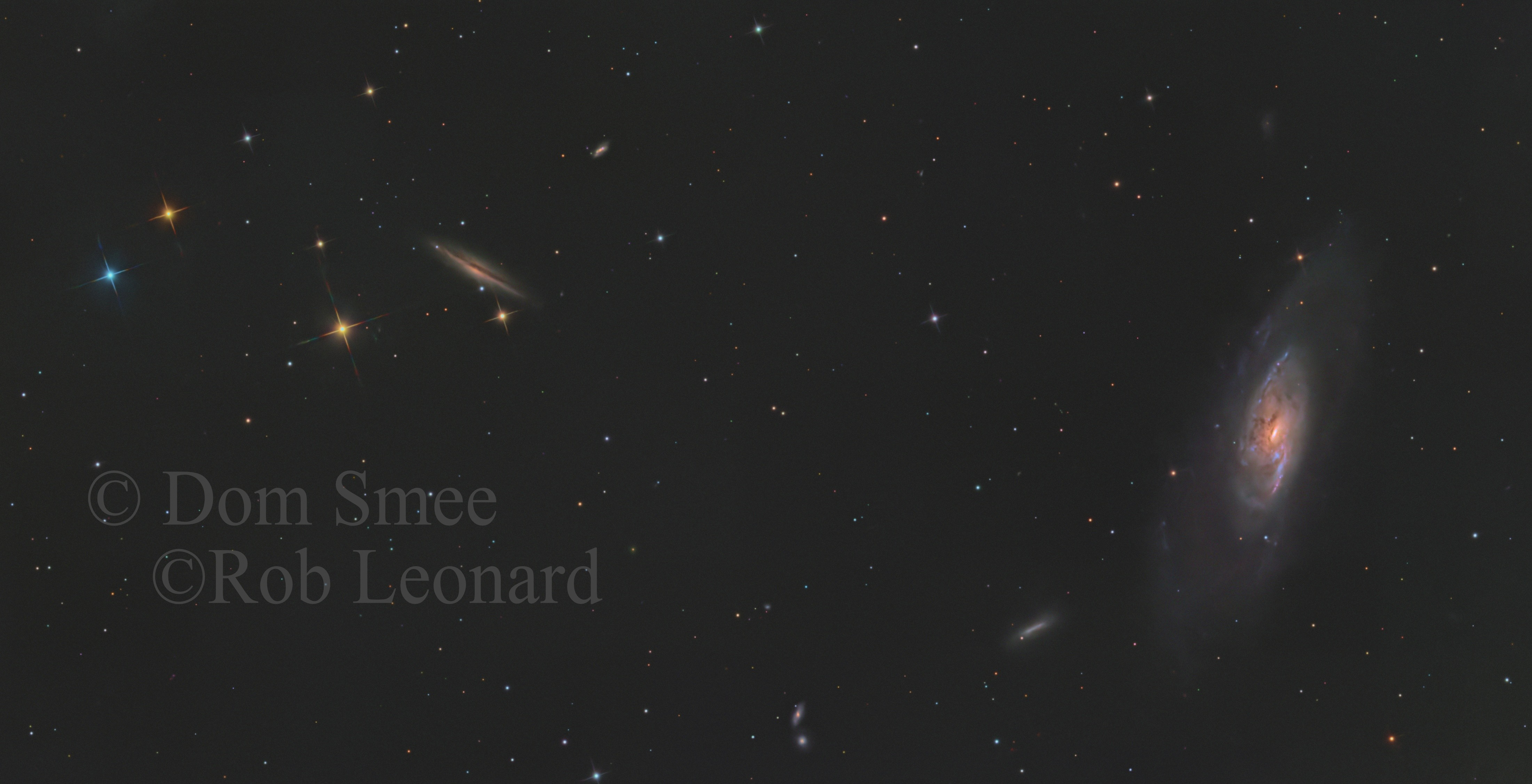
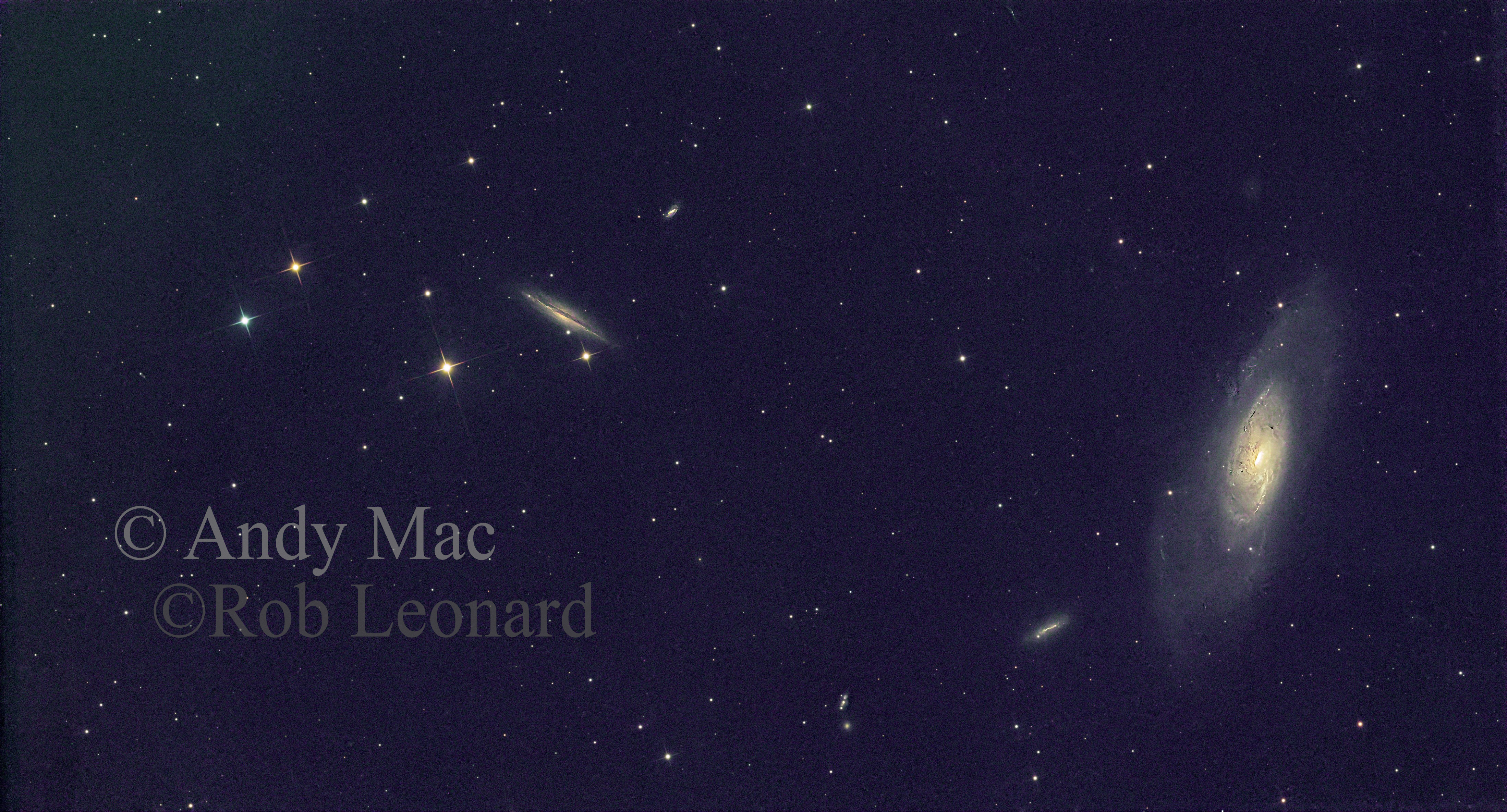
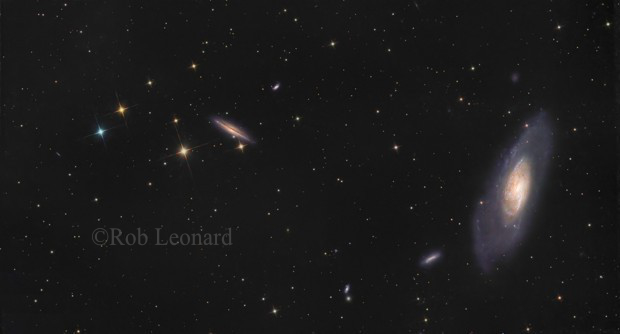
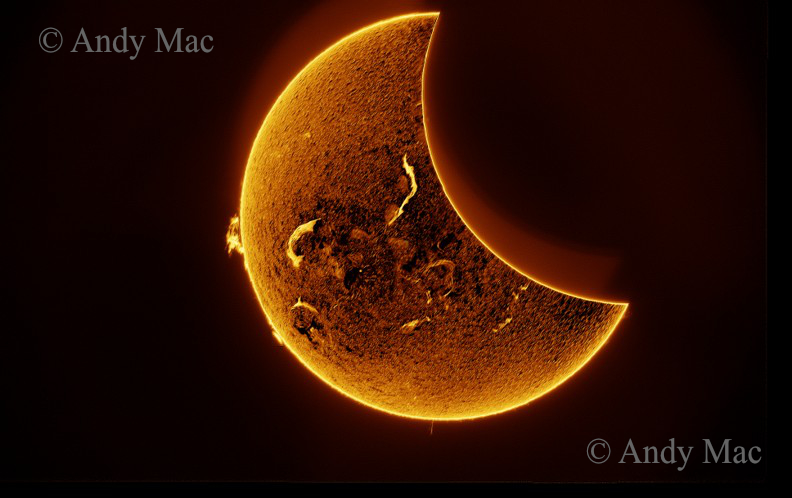
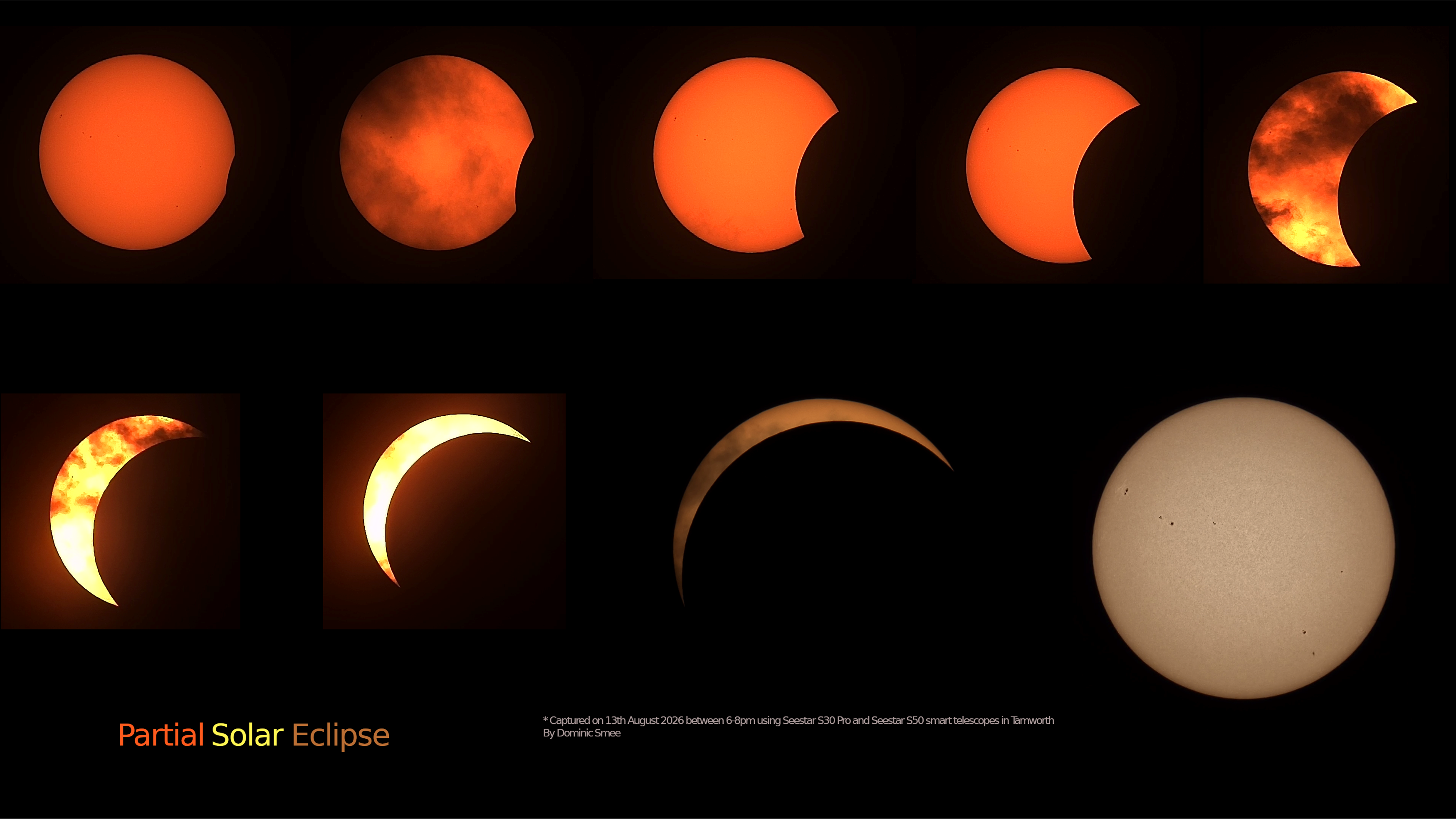
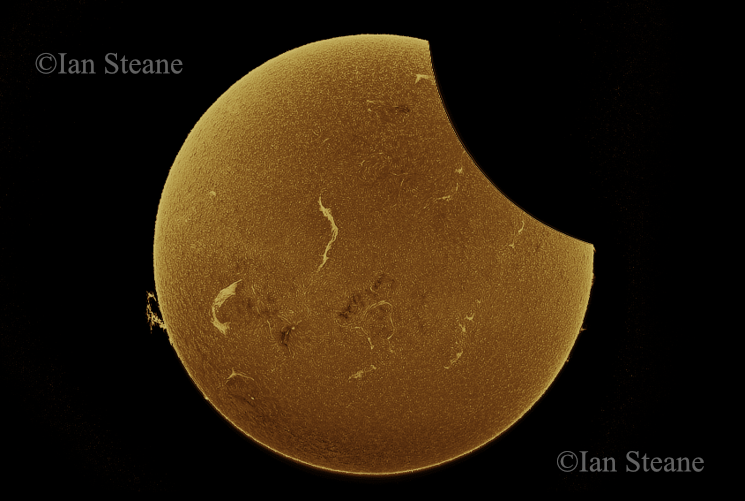
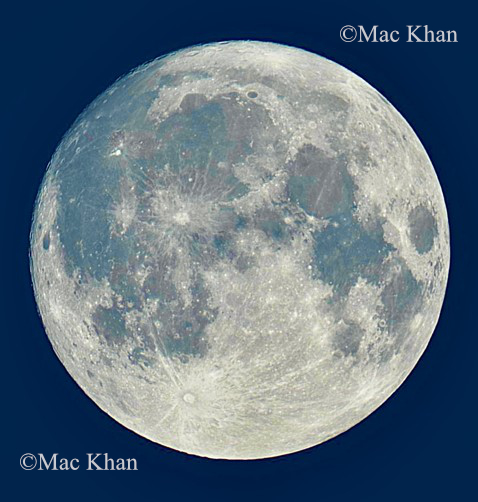
September 2026 - images are a mixture of the August partial solar eclipse and members targets of their own choice.
Click on an image to see a larger version (opens in a new tab).
Eclipse 2026 Time-Lapse Recorded in Hydrogen-alpha at Rosliston Forestry Centre
This short time-lapse captures the partial solar eclipse of 12 August 2026, filmed by Rosliston Astronomy Group from Rosliston Forestry Centre. Seen through Hydrogen-alpha light, the sequence reveals the changing outline of the Moon as it moves across the face of the Sun.
Date filmed 12 August 2026
- Location Rosliston Forestry Centre
- Wavelength Hydrogen-alpha solar imaging
- Subject Partial solar eclipse time-lapse
Solar viewing safety
- Never look directly at the Sun without certified solar viewing equipment.
- Do not use ordinary sunglasses, smoked glass, camera filters, or improvised materials.
- Telescopes and binoculars must only be used with correctly fitted specialist solar filters.
About the footage
Solar eclipses happen when the Moon passes between Earth and the Sun. During a partial eclipse, only part of the Sun is covered, creating a changing crescent-like shape that can be followed safely with specialist solar equipment.
This recording was made in Hydrogen-alpha, a narrow band of deep red light emitted by hydrogen in the Sun's atmosphere. It is a favourite wavelength for solar observing because it can reveal detail and structure that ordinary white-light views do not show in the same way.
Copyright Notice: The images in this gallery have been kindly provided by members of Rosliston Astronomy Group and remain the copyright of the individual photographers.
No image may be copied, downloaded, reproduced, shared, published, or used for any purpose without the express permission of the copyright owner.
All rights reserved.